
The sky on
your birthday.
Fields of Minerals on Ganymede Credit:
Ganymede is Jupiter's largest moon, bigger than the planet Mercury. The Galileo orbiter mapped its surface, highlighting deposits of ice and minerals. This image combines a visible light photo from Voyager on the left with an infrared photo from Galileo on the right. The infrared view shows minerals in red and ice grains in blue, helping scientists identify the moon's composition.
We cannot put this date's photograph on paper at poster size. We can print the nearest public archive plate to your date instead.
See print sizesPrinted, shipped and sold by Zazzle


Released on your day
Space pictures released on your month and day in other years, or a few days either side. Each one is sharp enough to print as a poster.
-
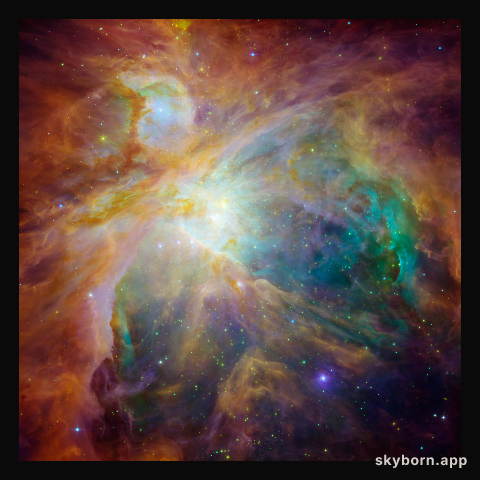 Released on 7 November 2006 Chaos at the Heart of Orion See it as a poster
-
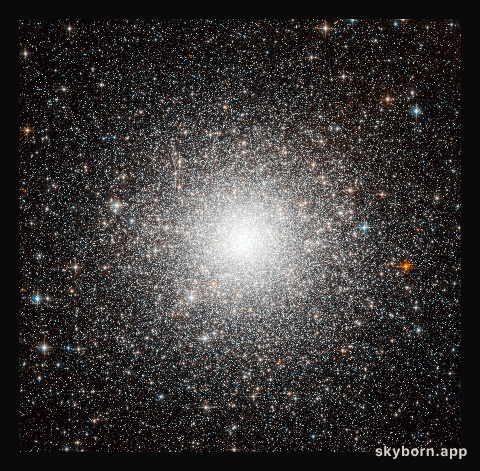 Released on 7 November 2011 First globular cluster outside the Milky Way See it as a poster
-
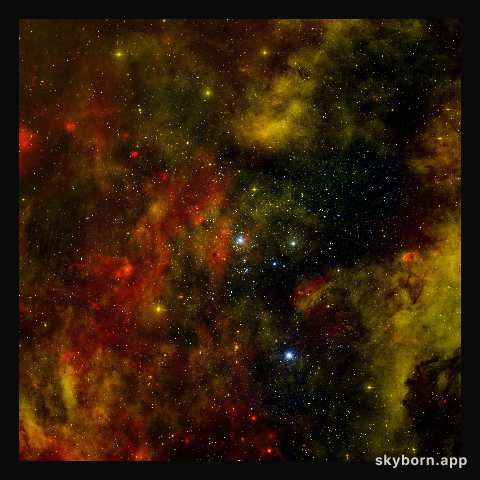 Released on 7 November 2012 A Nearby Stellar Cradle See it as a poster
-
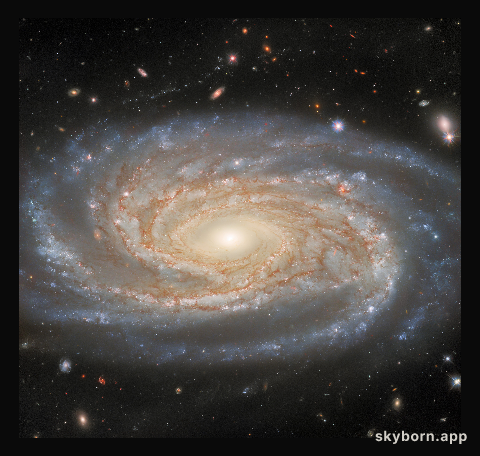 Released on 7 November 2022 Investigating A Made-to-Measure Galaxy See it as a poster
-
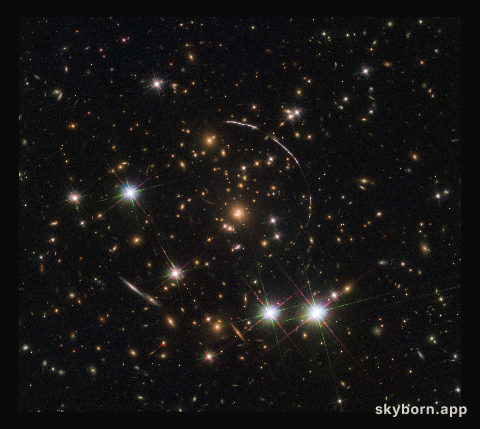 Released on 7 November 2019 The Sunburst Arc See it as a poster
In tropical astrology, 7 NOV 1996 falls under Scorpio (♏). The sign's window runs from 10-23 through 11-21. Scorpio is marked by Antares, a red supergiant the size of Mars's orbit. The Sun was crossing this region of the sky on 7 NOV 1996.
Questions about November 7, 1996
What space photo was released on November 7, 1996?
NASA's Astronomy Picture of the Day for November 7, 1996 was "Fields of Minerals on Ganymede Credit:". It's the card at the top of this page.
What was the Moon's phase on November 7, 1996?
A waning crescent moon, about 14% lit.
What day of the week was November 7, 1996?
November 7, 1996 was a Thursday, day 312 of the 366 days in 1996.
Is it free?
Yes. Seeing, sharing and downloading the card is free, and there's no account to make.