
The sky on
your birthday.
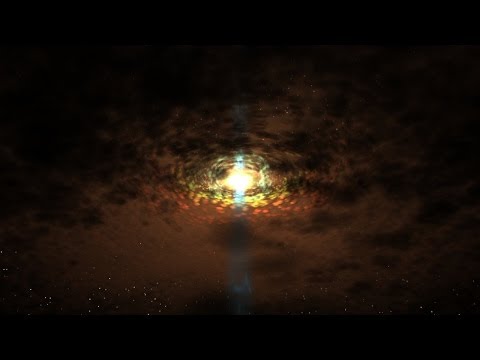
The Cloudy Cores of Active Galaxies
This illustration shows what it might be like to approach the center of an active galaxy. Most galaxies are thought to have supermassive black holes at their cores. When these black holes are actively feeding, they pull in gas and dust, creating a bright accretion disk. This disk can emit light across the electromagnetic spectrum, making the galactic center glow.
We cannot put this date's photograph on paper at poster size. We can print the nearest public archive plate to your date instead.
Prints are coming soon. The card is free to save and share in the meantime.
Released on your day
Space pictures released on your month and day in other years, or a few days either side. Each one is sharp enough to print as a poster.
-
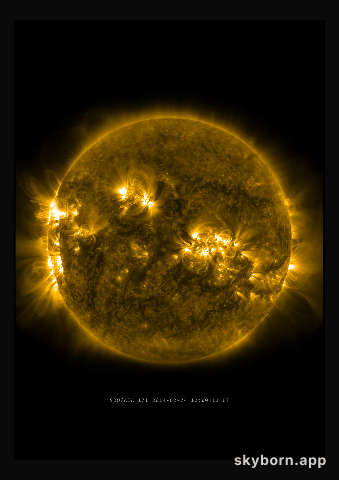 The Sun on your day The Sun on 24 February 2014 See it as a poster
 -
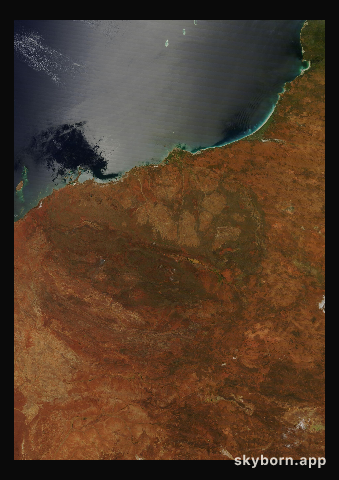 The Earth on your day The Earth on 24 February 2014 · Pilbara, Western Australia See it as a poster
 -
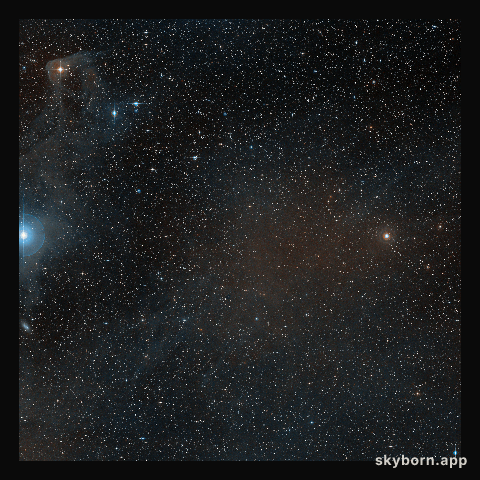 Released on 24 February 2011 A wide-field view of the sky around the young star T Cha See it as a poster
 -
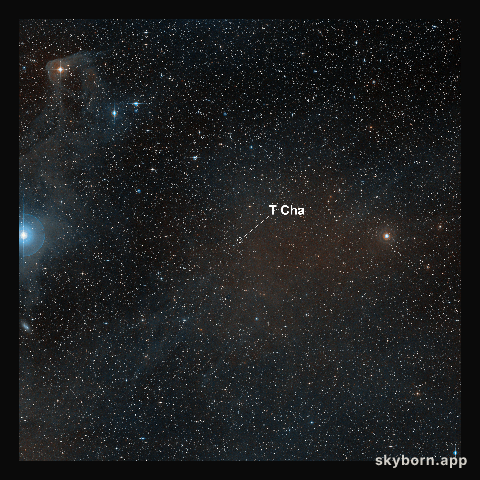 Released on 24 February 2011 A wide-field view of the sky around the young star T Cha (annotated) See it as a poster
 -
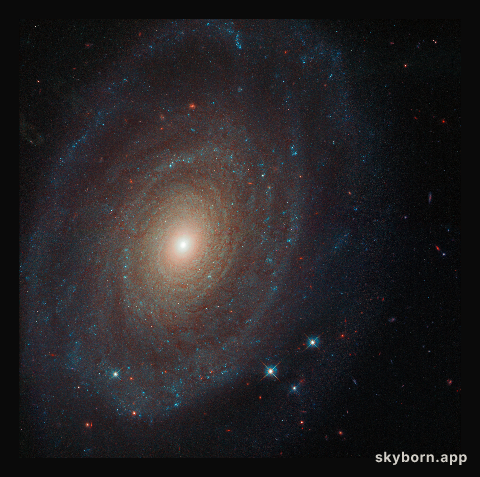 Released on 24 February 2020 Centuries Before Hubble See it as a poster
 -
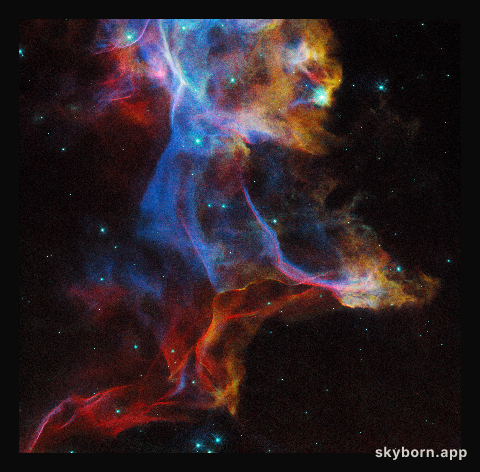 Released on 24 February 2025 Lifting the veil See it as a poster
 -
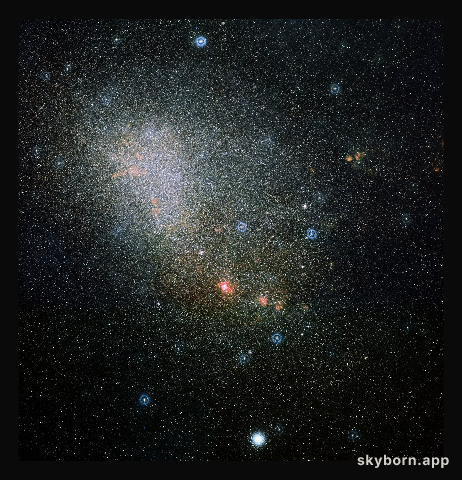 Released on 24 February 2010 The Small Magellanic Cloud See it as a poster
In tropical astrology, 24 FEB 2014 falls under Pisces (♓). The sign's window runs from 02-19 through 03-20. Pisces holds the location of the spring equinox in the current astronomical era. The Sun was crossing this region of the sky on 24 FEB 2014.
Questions about February 24, 2014
What space photo was released on February 24, 2014?
NASA's Astronomy Picture of the Day for February 24, 2014 was "The Cloudy Cores of Active Galaxies". It's the card at the top of this page.
What was the Moon's phase on February 24, 2014?
A waning crescent moon, about 27% lit.
What day of the week was February 24, 2014?
February 24, 2014 was a Monday, day 55 of the 365 days in 2014.
What did the Sun and the Earth look like on February 24, 2014?
NASA's Solar Dynamics Observatory photographed the Sun that day, and NASA's Terra satellite photographed the whole Earth. Both are on this page, next to the card.
Is it free?
Yes. Seeing, sharing and downloading the card is free, and there's no account to make.