
The sky on
your birthday.
Coreshine from a Dark Cloud
Stars and planets are born in cold, dark clouds of gas and dust. Astronomers exploring these clouds with the Spitzer Space Telescope made a surprising discovery. They found dozens of dense cloud cores that shine by reflecting infrared starlight. This phenomenon is called coreshine, and these panels show it in cloud Lynds 183.
Heavy matte paper, about 200 gsm, printed in the United States and shipped free. The card stays free, the print is the thing you keep.
See print sizesPrinted, shipped and sold by Zazzle


Released on your day
Space pictures released on your month and day in other years, or a few days either side. Each one is sharp enough to print as a poster.
-
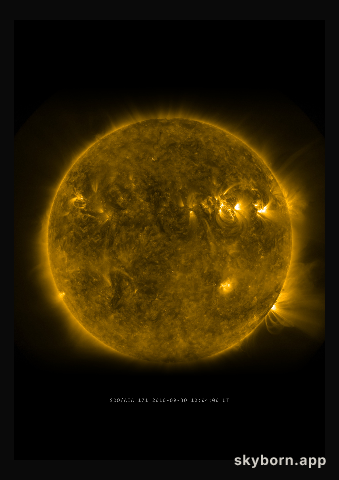 The Sun on your day The Sun on 30 September 2010 See it as a poster
-
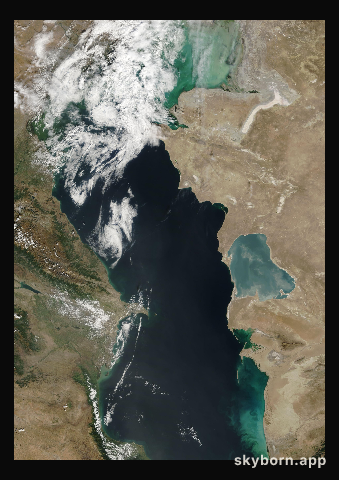 The Earth on your day The Earth on 30 September 2010 · Caspian Sea See it as a poster
-
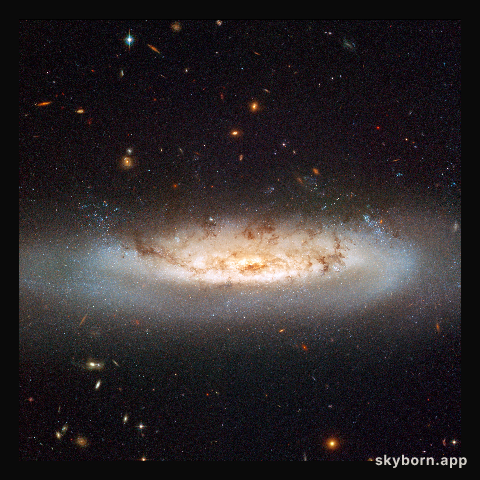 Released on 30 September 2009 Hubble views NGC 4522 See it as a poster
-
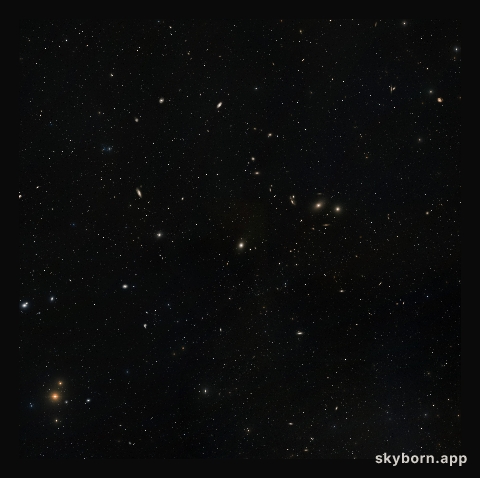 Released on 30 September 2009 Digitized Sky Survey Image of NGC 4402 (ground-based image) See it as a poster
-
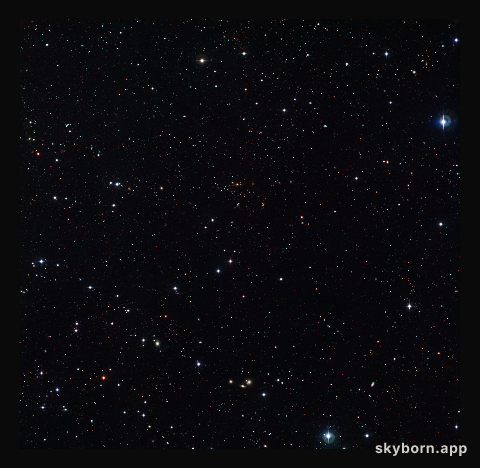 Released on 30 September 2013 Unveiling distant stars and galaxies See it as a poster
-
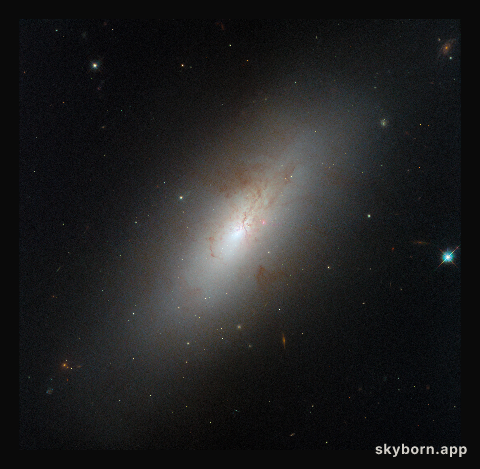 Released on 30 September 2024 Playing against type See it as a poster
-
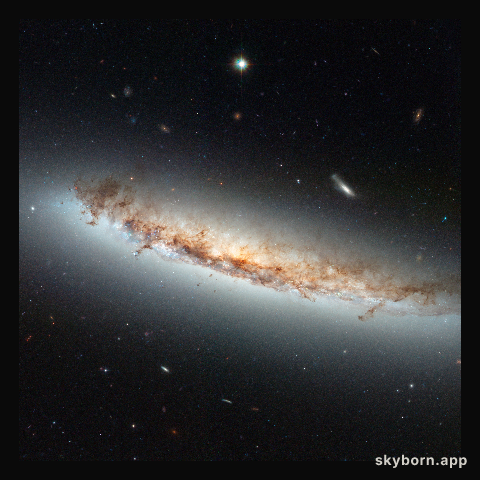 Released on 30 September 2009 Hubble views NGC 4402 See it as a poster
In tropical astrology, 30 SEP 2010 falls under Libra (♎). The sign's window runs from 09-23 through 10-22. Libra is the only zodiac constellation named for an inanimate object, the scales of judgment. The Sun was crossing this region of the sky on 30 SEP 2010.
Questions about September 30, 2010
What space photo was released on September 30, 2010?
NASA's Astronomy Picture of the Day for September 30, 2010 was "Coreshine from a Dark Cloud". It's the card at the top of this page.
What was the Moon's phase on September 30, 2010?
A last quarter moon, about 55% lit.
What day of the week was September 30, 2010?
September 30, 2010 was a Thursday, day 273 of the 365 days in 2010.
What did the Sun and the Earth look like on September 30, 2010?
NASA's Solar Dynamics Observatory photographed the Sun that day, and NASA's Terra satellite photographed the whole Earth. Both are on this page, next to the card.
Is it free?
Yes. Seeing, sharing and downloading the card is free, and there's no account to make.