
The sky on
your birthday.
Helios Helium
This image of the Sun shows its active chromosphere in ultraviolet light, specifically from ionized Helium atoms. Helium was first discovered in the Sun in 1868 by Joseph Norman Lockyer, using spectroscopy to analyze sunlight. Its name, fittingly, comes from the Greek word 'Helios' for Sun.
Heavy matte paper, about 200 gsm, printed in the United States and shipped free. The card stays free, the print is the thing you keep.
See print sizesPrinted, shipped and sold by Zazzle


Released on your day
Space pictures released on your month and day in other years, or a few days either side. Each one is sharp enough to print as a poster.
-
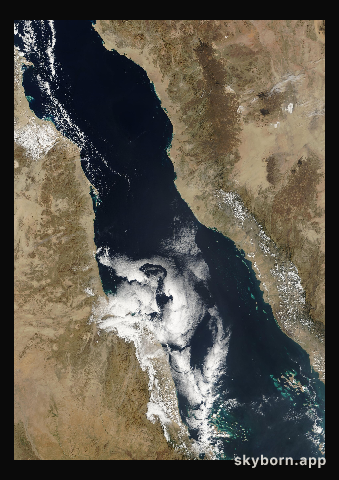 The Earth on your day The Earth on 20 January 2001 · Red Sea See it as a poster
-
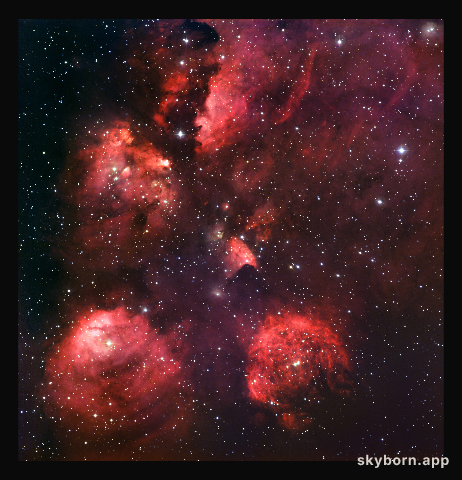 Released on 20 January 2010 The Cat's Paw Nebula* See it as a poster
-
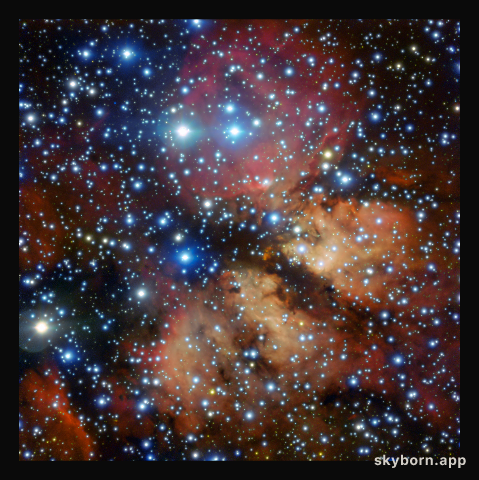 Released on 20 January 2020 Caught “Pink-Handed” See it as a poster
-
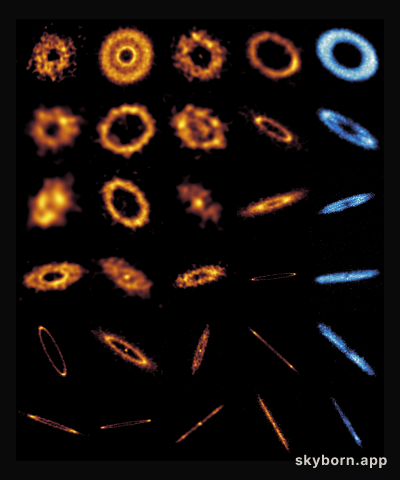 Released on 20 January 2026 The precious rings of space See it as a poster
-
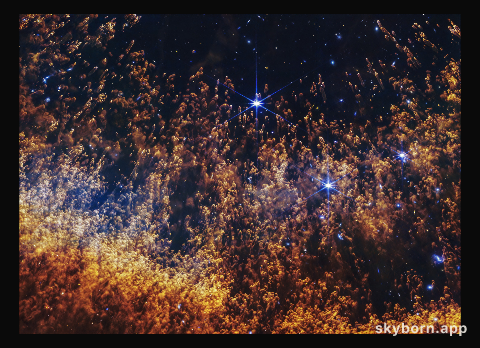 Released on 20 January 2026 Helix Nebula (NIRCam image) See it as a poster
-
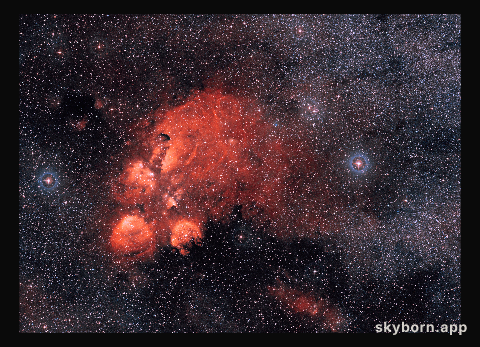 Released on 20 January 2010 Around the Cat's Paw Nebula See it as a poster
In tropical astrology, 20 JAN 2001 falls under Aquarius (♒). The sign's window runs from 01-20 through 02-18. Aquarius is home to the Helix Nebula, the closest planetary nebula to Earth. The Sun was crossing this region of the sky on 20 JAN 2001.
Questions about January 20, 2001
What space photo was released on January 20, 2001?
NASA's Astronomy Picture of the Day for January 20, 2001 was "Helios Helium". It's the card at the top of this page.
What was the Moon's phase on January 20, 2001?
A waning crescent moon, about 18% lit.
What day of the week was January 20, 2001?
January 20, 2001 was a Saturday, day 20 of the 365 days in 2001.
What did the Sun and the Earth look like on January 20, 2001?
NASA's Terra satellite photographed the whole Earth that day. It's on this page, next to the card.
Is it free?
Yes. Seeing, sharing and downloading the card is free, and there's no account to make.