
The sky on
your birthday.
Comet Lovejoy: Sungrazing Survivor
Comet Lovejoy (C/2011 W3) was not expected to survive its close encounter with the Sun, but it did. This image from the SOHO spacecraft identifies the inbound remnants of its tail. The brilliant head, or coma, is emerging from the solar glare. The Sun's position is indicated by the white circle, behind an occulting disk.
We cannot put this date's photograph on paper at poster size. We can print the nearest public archive plate to your date instead.
See print sizesPrinted, shipped and sold by Zazzle


Released on your day
Space pictures released on your month and day in other years, or a few days either side. Each one is sharp enough to print as a poster.
-
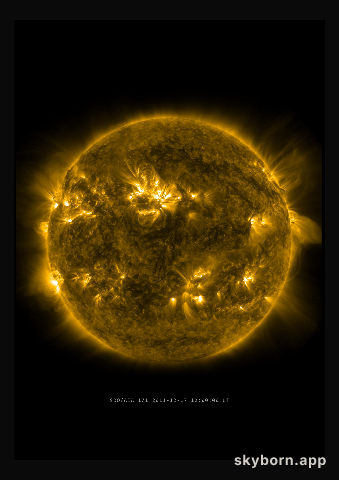 The Sun on your day The Sun on 17 December 2011 See it as a poster
-
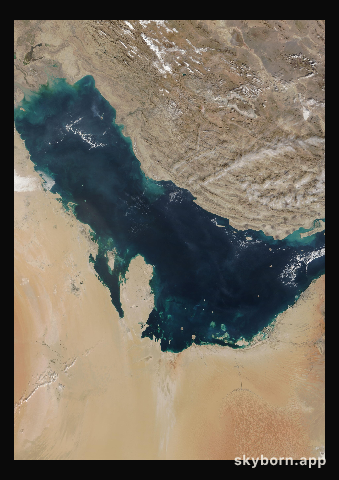 The Earth on your day The Earth on 17 December 2011 · Persian Gulf See it as a poster
-
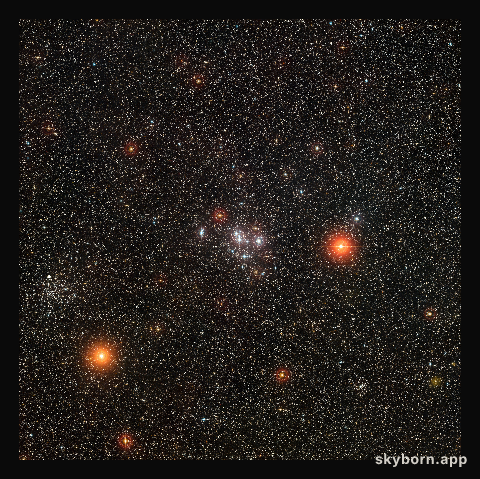 Released on 17 December 2014 Wide-field view of the bright star clusters Messier 47 and Messier 46 See it as a poster
-
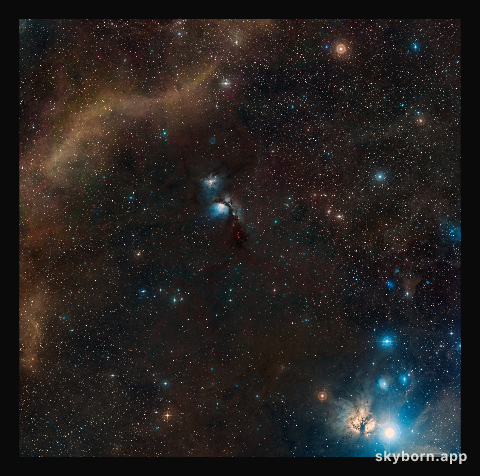 Released on 17 December 2015 HH 24 (ground-based view) See it as a poster
-
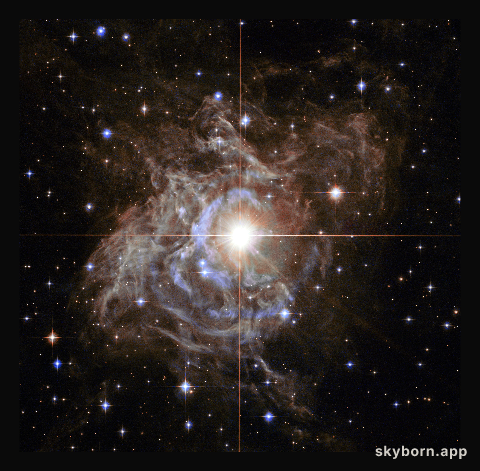 Released on 17 December 2013 Hubble image of variable star RS Puppis See it as a poster
-
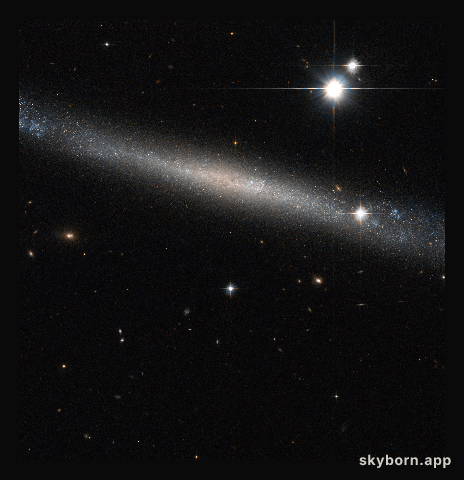 Released on 17 December 2012 The Needle Galaxy See it as a poster
-
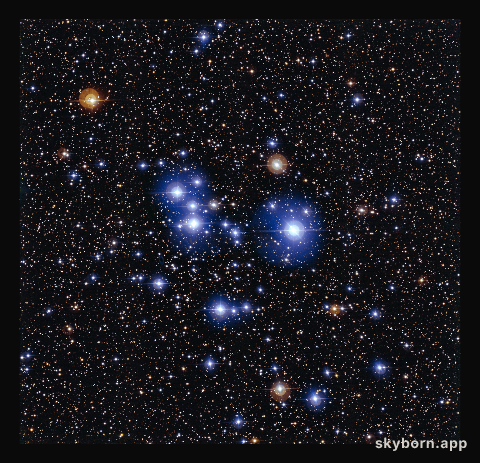 Released on 17 December 2014 The star cluster Messier 47 See it as a poster
In tropical astrology, 17 DEC 2011 falls under Sagittarius (♐). The sign's window runs from 11-22 through 12-21. Sagittarius points straight at the center of the Milky Way, our galaxy's brightest region. The Sun was crossing this region of the sky on 17 DEC 2011.
Questions about December 17, 2011
What space photo was released on December 17, 2011?
NASA's Astronomy Picture of the Day for December 17, 2011 was "Comet Lovejoy: Sungrazing Survivor". It's the card at the top of this page.
What was the Moon's phase on December 17, 2011?
A last quarter moon, about 54% lit.
What day of the week was December 17, 2011?
December 17, 2011 was a Saturday, day 351 of the 365 days in 2011.
Was there a meteor shower on December 17, 2011?
Yes: the Geminid shower, peaked 3 days ago.
What did the Sun and the Earth look like on December 17, 2011?
NASA's Solar Dynamics Observatory photographed the Sun that day, and NASA's Terra satellite photographed the whole Earth. Both are on this page, next to the card.
Is it free?
Yes. Seeing, sharing and downloading the card is free, and there's no account to make.