
The sky on
your birthday.
Galaxy Collisions: Simulation vs Observations
Galaxies often collide, a process that can take over a billion years. While individual stars rarely hit each other, the galaxies' gravity distorts and eventually merges them. This image compares a simulation of colliding galaxies with an actual observation, showing how gas and dust clouds trigger new star formation during the interaction.
We cannot put this date's photograph on paper at poster size. We can print the nearest public archive plate to your date instead.
See print sizesPrinted, shipped and sold by Zazzle

Released on your day
Space pictures released on your month and day in other years, or a few days either side. Each one is sharp enough to print as a poster.
-
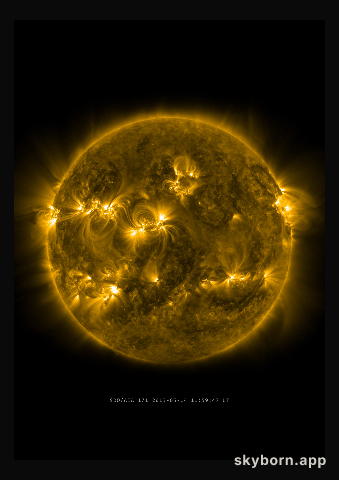 The Sun on your day The Sun on 14 May 2013 See it as a poster
-
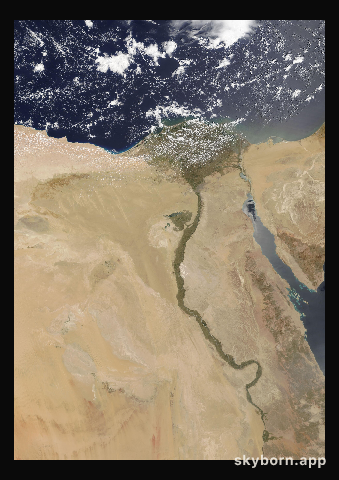 The Earth on your day The Earth on 14 May 2013 · Nile Delta and Sinai See it as a poster
-
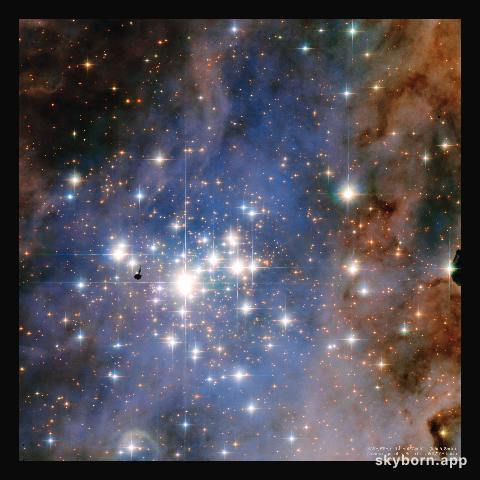 Released on 14 May 2019 Young Star Cluster Trumpler 14 from Hubble See it as a poster
-
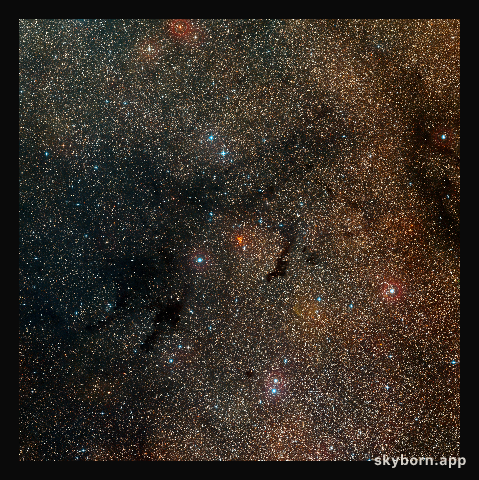 Released on 14 May 2014 Wide-field view of the sky around the star cluster Westerlund 1 See it as a poster
-
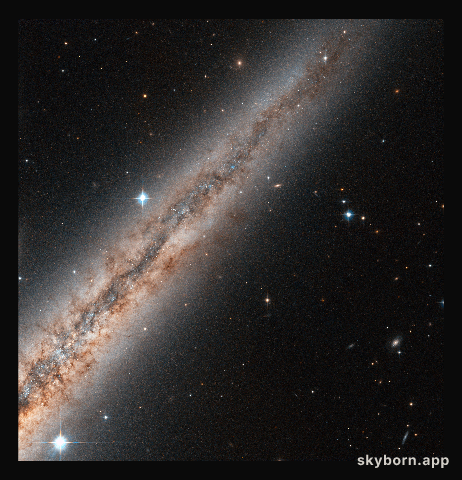 Released on 14 May 2012 Edge-on beauty See it as a poster
-
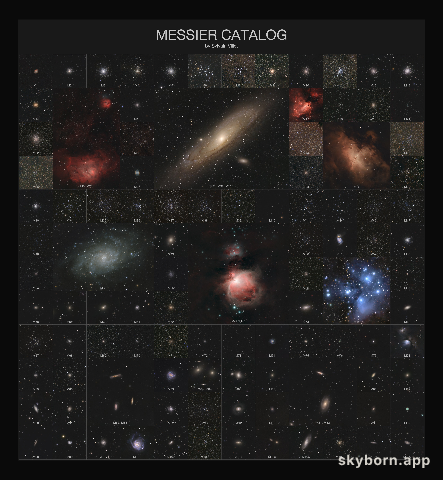 Released on 14 May 2026 Messier Catalog at Uniform Scale See it as a poster
-
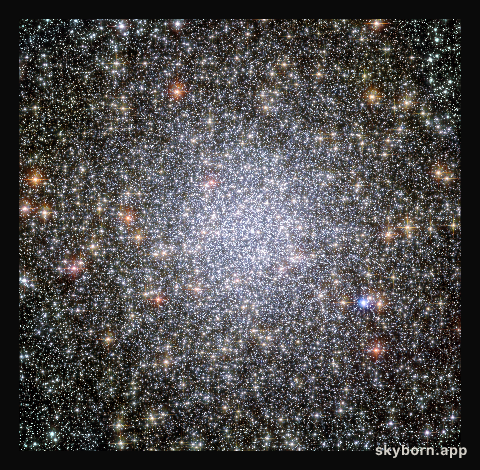 Released on 14 May 2015 Globular cluster 47 Tucanae See it as a poster
In tropical astrology, 14 MAY 2013 falls under Taurus (♉). The sign's window runs from 04-20 through 05-20. Taurus holds the Pleiades star cluster and Aldebaran, the red giant that marks the eye of the Bull. The Sun was crossing this region of the sky on 14 MAY 2013.
Questions about May 14, 2013
What space photo was released on May 14, 2013?
NASA's Astronomy Picture of the Day for May 14, 2013 was "Galaxy Collisions: Simulation vs Observations". It's the card at the top of this page.
What was the Moon's phase on May 14, 2013?
A waxing crescent moon, about 19% lit.
What day of the week was May 14, 2013?
May 14, 2013 was a Tuesday, day 134 of the 365 days in 2013.
What did the Sun and the Earth look like on May 14, 2013?
NASA's Solar Dynamics Observatory photographed the Sun that day, and NASA's Terra satellite photographed the whole Earth. Both are on this page, next to the card.
Is it free?
Yes. Seeing, sharing and downloading the card is free, and there's no account to make.