
The sky on
your birthday.
NGC 6357: Cathedral to Massive Stars
How massive can a star be? Pismis 24-1, in the NGC 6357 nebula, was once thought to be over 200 times the mass of our Sun. Hubble Space Telescope images revealed that this brilliant luminosity comes from three stars, not one. This star-forming region is a cathedral to massive stars, where they are born and shine brightly.
Heavy matte paper, about 200 gsm, printed in the United States and shipped free. The card stays free, the print is the thing you keep.
See print sizesPrinted, shipped and sold by Zazzle


Released on your day
Space pictures released on your month and day in other years, or a few days either side. Each one is sharp enough to print as a poster.
-
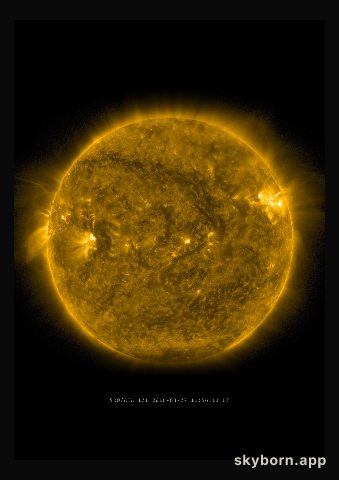 The Sun on your day The Sun on 27 March 2016 See it as a poster
-
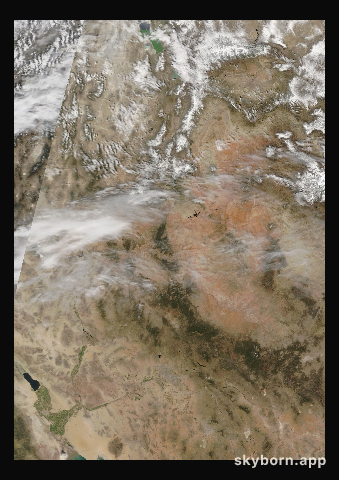 The Earth on your day The Earth on 27 March 2016 · Colorado Plateau See it as a poster
-
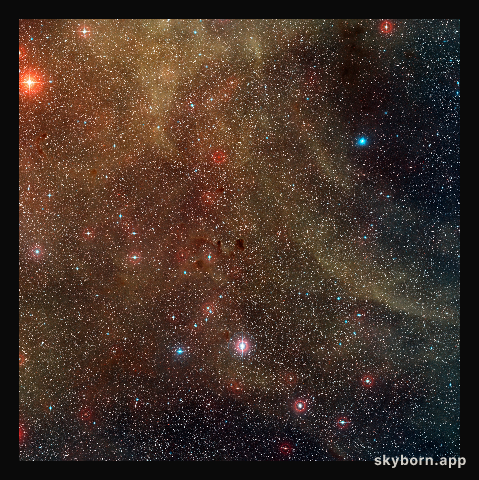 Released on 27 March 2013 Wide-field view of the open star cluster NGC 2547 See it as a poster
-
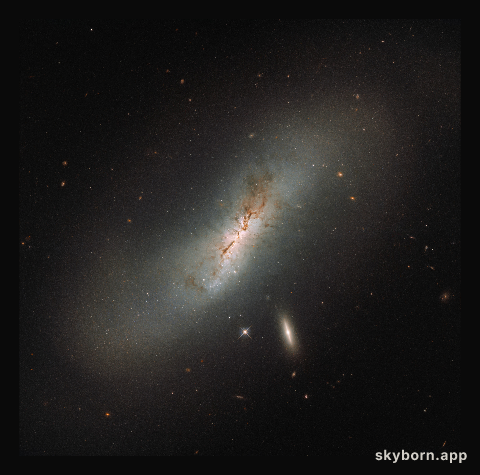 Released on 27 March 2017 The NGC and its modern counterpart See it as a poster
-
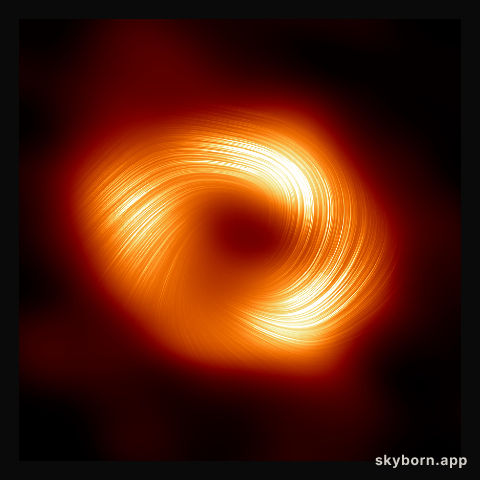 Released on 27 March 2024 A view of the Milky Way supermassive black hole Sagittarius A* in polarised light See it as a poster
-
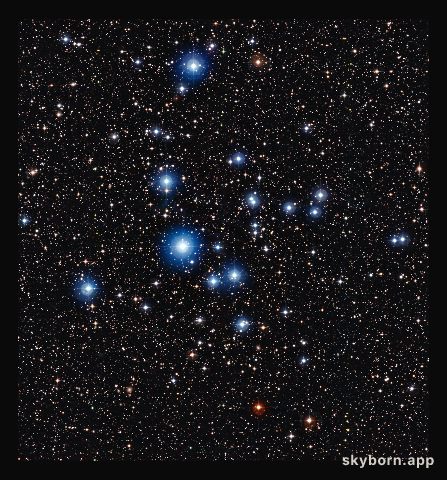 Released on 27 March 2013 Young stars in the open star cluster NGC 2547 See it as a poster
-
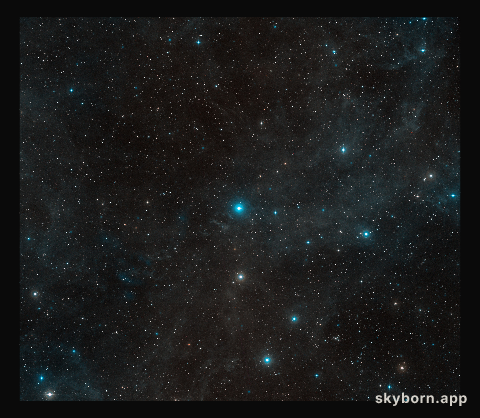 Released on 27 March 2019 Surroundings of the star HR 8799 See it as a poster
In tropical astrology, 27 MAR 2016 falls under Aries (♈). The sign's window runs from 03-21 through 04-19. Aries is the constellation traditionally tied to spring's arrival in the northern hemisphere. The Sun was crossing this region of the sky on 27 MAR 2016.
Questions about March 27, 2016
What space photo was released on March 27, 2016?
NASA's Astronomy Picture of the Day for March 27, 2016 was "NGC 6357: Cathedral to Massive Stars". It's the card at the top of this page.
What was the Moon's phase on March 27, 2016?
A waning gibbous moon, about 84% lit.
What day of the week was March 27, 2016?
March 27, 2016 was a Sunday, day 87 of the 366 days in 2016.
What did the Sun and the Earth look like on March 27, 2016?
NASA's Solar Dynamics Observatory photographed the Sun that day, and NASA's Terra satellite photographed the whole Earth. Both are on this page, next to the card.
Is it free?
Yes. Seeing, sharing and downloading the card is free, and there's no account to make.