
The sky on
your birthday.
Dust and Gas Surrounding Star R Coronae Australis
The young star R Coronae Australis makes its home in this dusty cloud. The dust is so thick on the upper left that it blocks light from background stars. Closer to the stars, thinner dust reflects their light, creating a flowing appearance. If these stars were more massive, they would ionize the surrounding hydrogen gas, making it glow red.
We cannot put this date's photograph on paper at poster size. We can print the nearest public archive plate to your date instead.
See print sizesPrinted, shipped and sold by Zazzle


Released on your day
Space pictures released on your month and day in other years, or a few days either side. Each one is sharp enough to print as a poster.
-
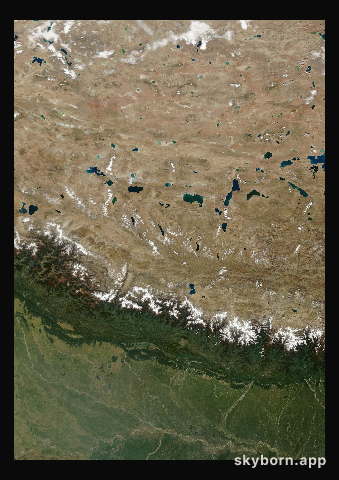 The Earth on your day The Earth on 16 October 2000 · Himalaya and Tibet See it as a poster
-
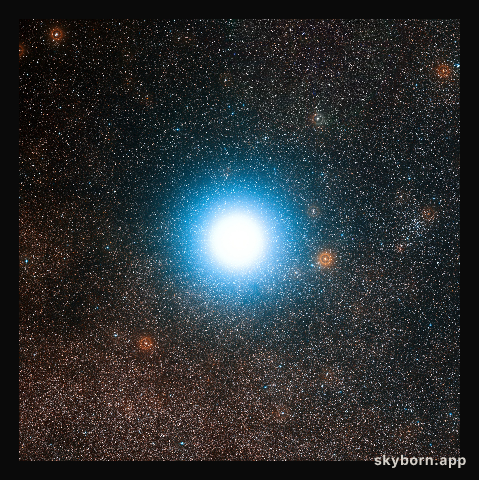 Released on 16 October 2012 The bright star Alpha Centauri and its surroundings See it as a poster
-
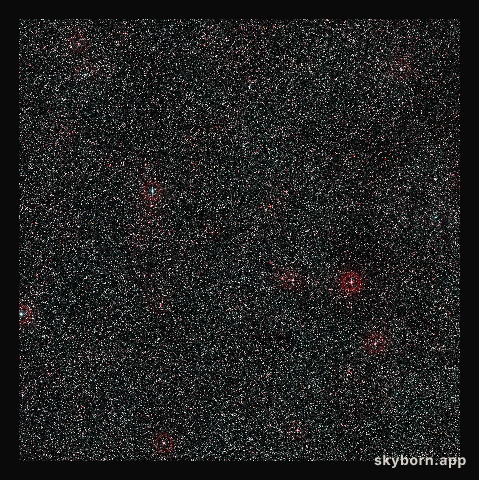 Released on 16 October 2013 Wide-field view of the sky around the distant active galaxy PKS 1830-211 See it as a poster
-
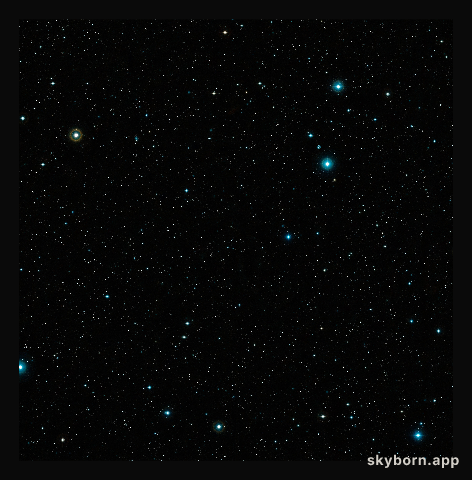 Released on 16 October 2007 I Zwicky 18 (ground-based image) See it as a poster
-
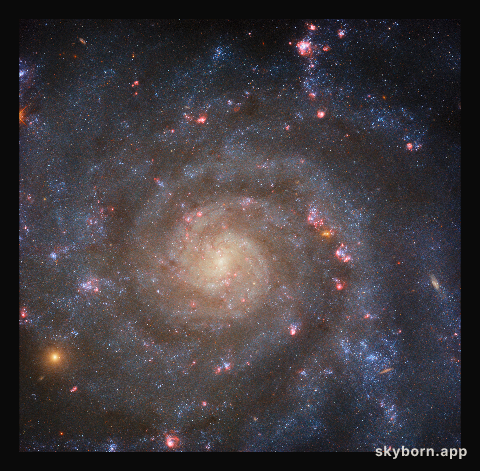 Released on 16 October 2023 ‘S’ is for ‘Spiral’, ‘AB’ is for … ‘Weakly Barred’ See it as a poster
-
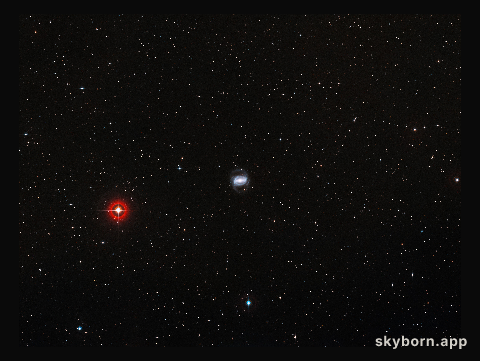 Released on 16 October 2013 Wide-field view of the galaxy NGC1433 See it as a poster
In tropical astrology, 16 OCT 2000 falls under Libra (♎). The sign's window runs from 09-23 through 10-22. Libra is the only zodiac constellation named for an inanimate object, the scales of judgment. The Sun was crossing this region of the sky on 16 OCT 2000.
Questions about October 16, 2000
What space photo was released on October 16, 2000?
NASA's Astronomy Picture of the Day for October 16, 2000 was "Dust and Gas Surrounding Star R Coronae Australis". It's the card at the top of this page.
What was the Moon's phase on October 16, 2000?
A waning gibbous moon, about 89% lit.
What day of the week was October 16, 2000?
October 16, 2000 was a Monday, day 290 of the 366 days in 2000.
Was there a meteor shower on October 16, 2000?
Yes: the Orionid shower, peaks in 5 days.
What did the Sun and the Earth look like on October 16, 2000?
NASA's Terra satellite photographed the whole Earth that day. It's on this page, next to the card.
Is it free?
Yes. Seeing, sharing and downloading the card is free, and there's no account to make.