
The sky on
your birthday.
Ida and Dactyl: Asteroid and Moon
Asteroid Ida has a moon, Dactyl, visible as a small dot to the right in this image. The Galileo spacecraft, on its way to Jupiter, encountered and photographed Ida. Dactyl is about one mile across, while the potato-shaped Ida measures about 36 miles long and 14 miles wide. Dactyl was the first moon ever discovered orbiting an asteroid.
We cannot put this date's photograph on paper at poster size. We can print the nearest public archive plate to your date instead.
See print sizesPrinted, shipped and sold by Zazzle


Released on your day
Space pictures released on your month and day in other years, or a few days either side. Each one is sharp enough to print as a poster.
-
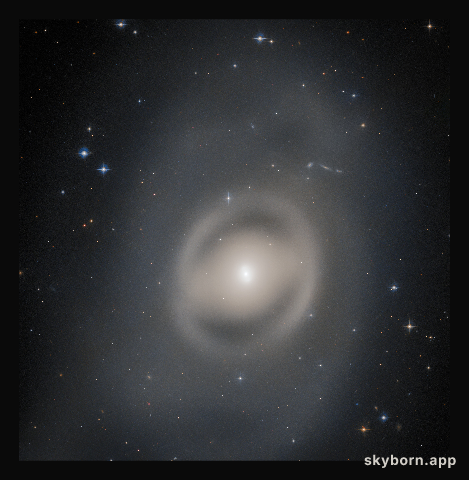 Released on 7 August 2023 Portrait of a Ghostly Galactic Peacock See it as a poster
-
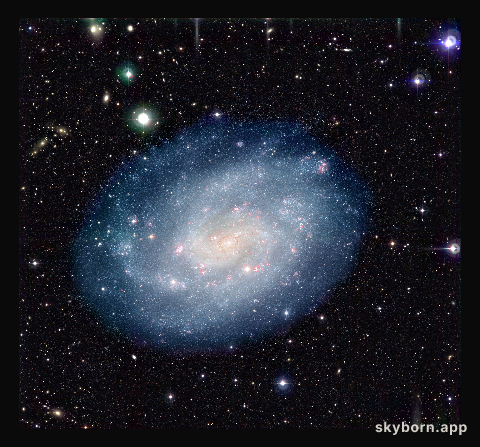 Released on 7 August 2002 Spiral galaxy NGC 300 See it as a poster
-
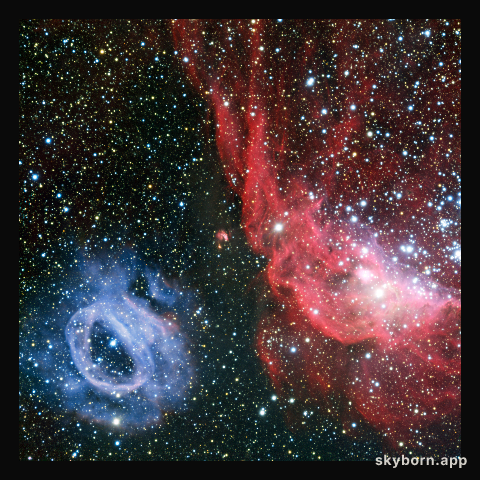 Released on 7 August 2013 Two very different glowing gas clouds in the Large Magellanic Cloud See it as a poster
-
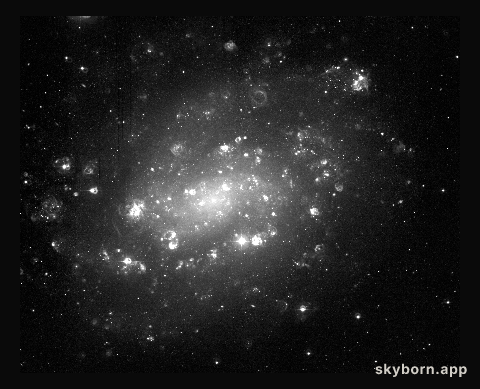 Released on 7 August 2002 Spiral galaxy NGC 300 (H-alpha band) See it as a poster
-
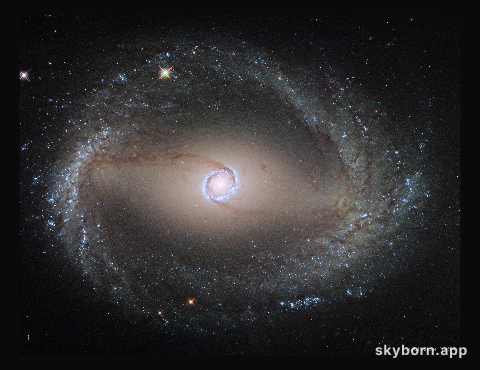 Released on 7 August 2017 Spiral Galaxy NGC 1512: The Inner Ring See it as a poster
In tropical astrology, 7 AUG 1999 falls under Leo (♌). The sign's window runs from 07-23 through 08-22. Leo is anchored by Regulus, the heart of the Lion, twenty-four parsecs from Earth. The Sun was crossing this region of the sky on 7 AUG 1999.
Questions about August 7, 1999
What space photo was released on August 7, 1999?
NASA's Astronomy Picture of the Day for August 7, 1999 was "Ida and Dactyl: Asteroid and Moon". It's the card at the top of this page.
What was the Moon's phase on August 7, 1999?
A waning crescent moon, about 22% lit.
What day of the week was August 7, 1999?
August 7, 1999 was a Saturday, day 219 of the 365 days in 1999.
Was there a meteor shower on August 7, 1999?
Yes: the Perseid shower, peaks in 6 days.
Is it free?
Yes. Seeing, sharing and downloading the card is free, and there's no account to make.