
This was
your sky.
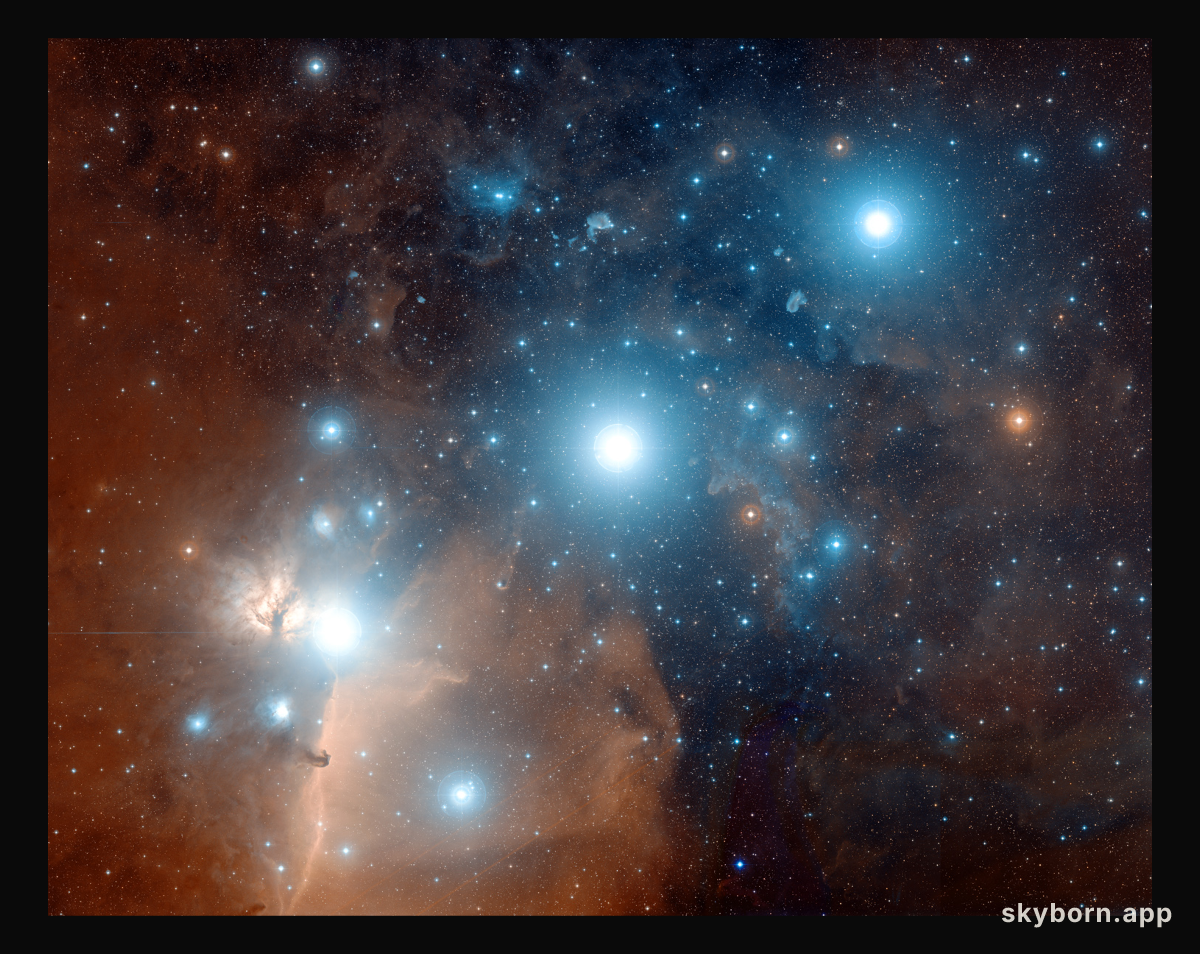
Alnitak, Alnilam, Mintaka
The Belt of Orion consists of three bright, bluish supergiant stars: Alnitak, Alnilam, and Mintaka. These stars are hotter and more massive than the Sun, located about 1,500 light-years away. They formed within Orion's interstellar clouds, which include the dark Horsehead Nebula and the glowing Orion Nebula.
We cannot put this date's photograph on paper at poster size. We can print the nearest public archive plate to your date instead.
Prints are coming soon. The card is free to save and share in the meantime.

Released on your day
Space pictures released on your month and day in other years, or a few days either side. Each one is sharp enough to print as a poster.
-
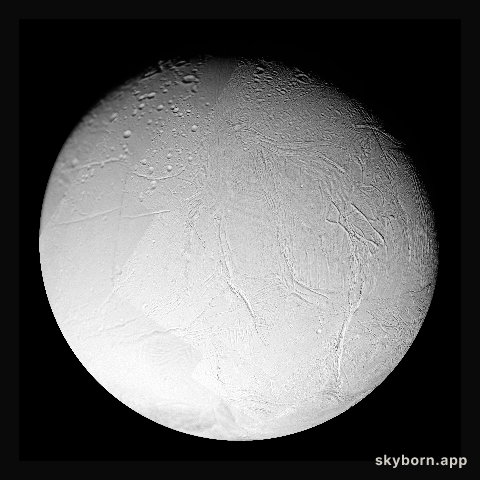 Released on 29 December 2006 Enceladus: Trailing Hemisphere See it as a poster
 -
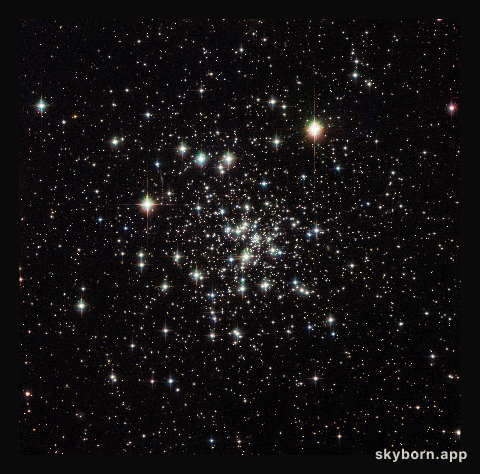 Released on 29 December 2014 An ancient globule See it as a poster
 -
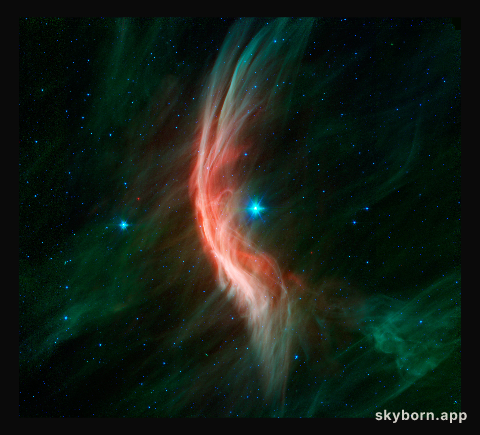 Released on 29 December 2012 Zeta Oph: Runaway Star See it as a poster
 -
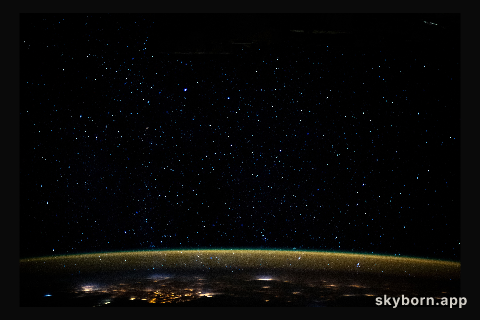 Released on 29 December 2019 Stars glitter in the night sky above an atmospheric glow that blankets the city lights as the International Space See it as a poster
 -
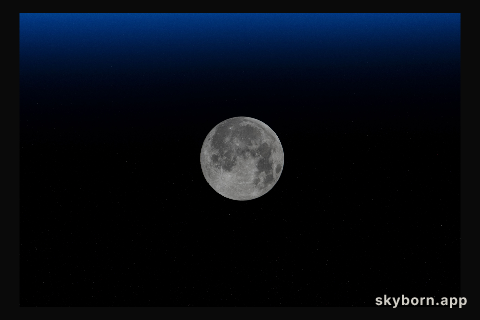 Released on 29 December 2020 The waxing gibbous Moon, the phase before it becomes a Full Moon, is pictured from the International Space Station See it as a poster
In tropical astrology, 29 DEC 2006 falls under Capricorn (♑). The sign's window runs from 12-22 through 01-19. Capricorn is the dimmest zodiac constellation, but rich in deep-sky objects south of the celestial equator. The Sun was crossing this region of the sky on 29 DEC 2006.