
The sky on
your birthday.
Exploring the Antennae
Sixty million light-years away, in the constellation Corvus, two large galaxies are colliding. Cataloged as NGC 4038 and NGC 4039, their stars rarely collide during the hundreds of millions of years this cataclysm takes. But their large clouds of molecular gas and dust often do, triggering furious episodes of star formation. This stunning composite view spans about 500,000 light-years.
Heavy matte paper, about 200 gsm, printed in the United States and shipped free. The card stays free, the print is the thing you keep.
See print sizesPrinted, shipped and sold by Zazzle


Released on your day
Space pictures released on your month and day in other years, or a few days either side. Each one is sharp enough to print as a poster.
-
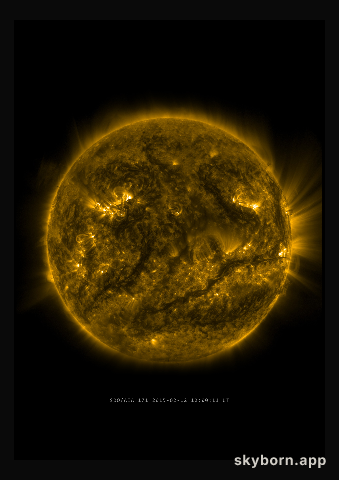 The Sun on your day The Sun on 12 February 2015 See it as a poster
-
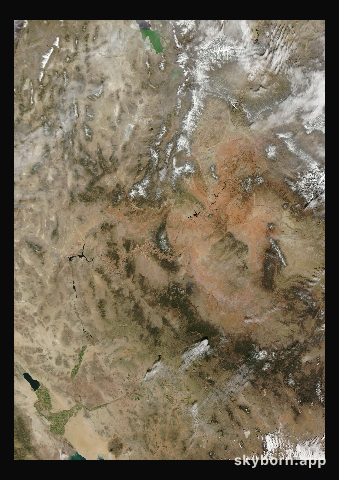 The Earth on your day The Earth on 12 February 2015 · Colorado Plateau See it as a poster
-
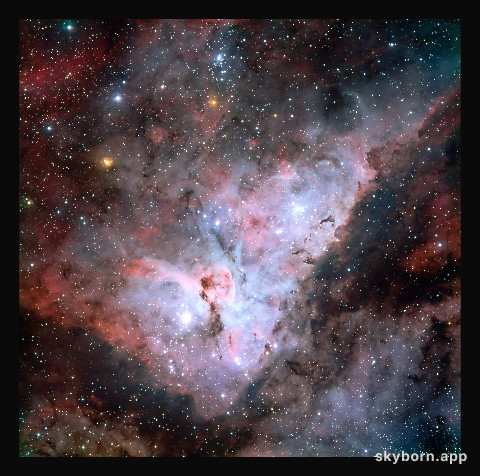 Released on 12 February 2009 The Carina Nebula * See it as a poster
-
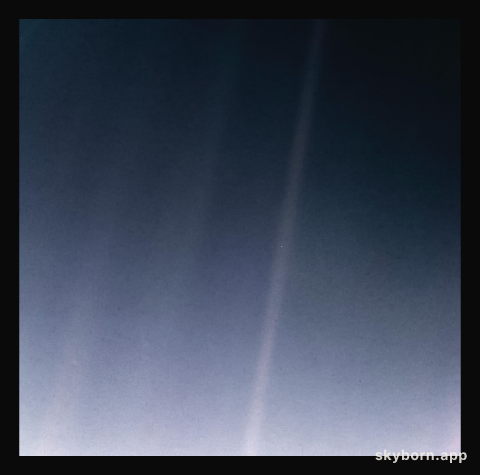 Released on 12 February 2020 Pale Blue Dot Revisited See it as a poster
-
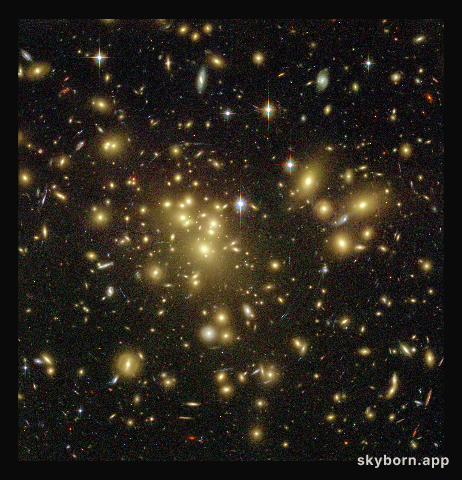 Released on 12 February 2008 Abell 1689 See it as a poster
-
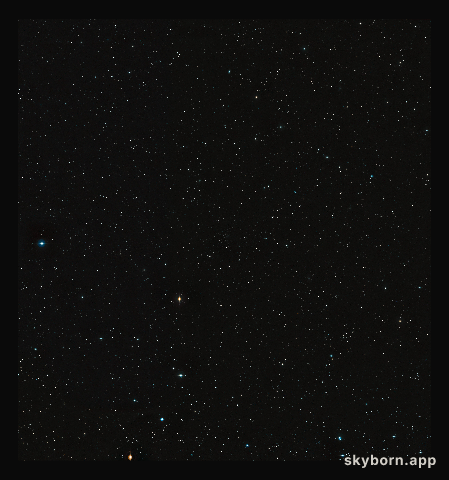 Released on 12 February 2008 Wide-field image of the Virgo constellation (ground-based image) See it as a poster
-
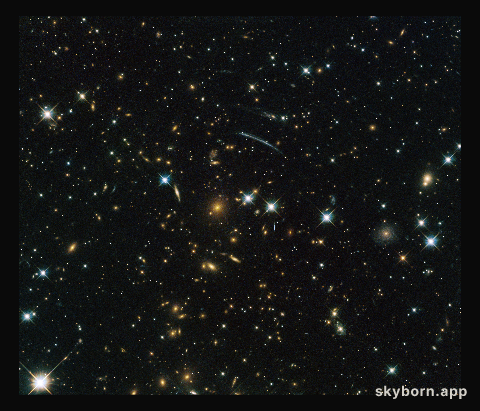 Released on 12 February 2018 A window into the cosmic past See it as a poster
In tropical astrology, 12 FEB 2015 falls under Aquarius (♒). The sign's window runs from 01-20 through 02-18. Aquarius is home to the Helix Nebula, the closest planetary nebula to Earth. The Sun was crossing this region of the sky on 12 FEB 2015.
Questions about February 12, 2015
What space photo was released on February 12, 2015?
NASA's Astronomy Picture of the Day for February 12, 2015 was "Exploring the Antennae". It's the card at the top of this page.
What was the Moon's phase on February 12, 2015?
A last quarter moon, about 40% lit.
What day of the week was February 12, 2015?
February 12, 2015 was a Thursday, day 43 of the 365 days in 2015.
What did the Sun and the Earth look like on February 12, 2015?
NASA's Solar Dynamics Observatory photographed the Sun that day, and NASA's Terra satellite photographed the whole Earth. Both are on this page, next to the card.
Is it free?
Yes. Seeing, sharing and downloading the card is free, and there's no account to make.